Choosing a Wearable Safety Device: What to Look For
Understanding the Essentials of a Personal Safety Wearable
When you start looking into personal safety devices, the range of options can feel overwhelming. There are pendants, wristbands, clip-on units, and even smartwatch-style gadgets. Each promises something a little different. Some focus on fall detection, others on GPS tracking, and many now include a feature called two-way voice alarm. This feature, in particular, has become a central consideration for many people. But what exactly should you prioritise when choosing a device? The answer depends on your lifestyle, your daily habits, and the kind of reassurance you need.
At its simplest, a wearable safety device is a tool that lets you call for help without needing to reach a phone or shout. It works by connecting you to a monitoring service or a designated emergency contact at the press of a button. The best devices do this reliably, even when you are away from home, asleep, or in a moment of confusion. Understanding the key features helps you pick a device that fits your life rather than one that collects dust in a drawer.
Two-Way Voice Alarm: What It Is and Why It Matters
The term two-way voice alarm refers to a built-in speaker and microphone that let you speak directly to a response team or a family member through the device itself. You press the SOS button, and instead of just sending a silent alert, the device opens a voice channel. Someone on the other end can ask what is happening, and you can reply. This is a significant step up from a simple alarm that just notifies someone that you need help but gives them no context.
For someone living alone or caring for an elderly relative, this feature offers real peace of mind. If a person falls and cannot get up, they can still press the button and explain what happened. The responder can assess the situation, ask if an ambulance is needed, or simply stay on the line until help arrives. In a medical emergency, the ability to communicate directly can save critical minutes. It also reduces false alarms, because the responder can quickly determine whether the situation is serious.
Fall Detection: Automatic Help When You Cannot Press the Button
Fall detection is one of the most requested features in a wearable safety device. It works using accelerometers and gyroscopes inside the device that detect a sudden impact followed by stillness. When the device registers a fall, it can automatically trigger an alert to your emergency contact or monitoring service, without you needing to press anything.

This is particularly valuable for older adults or anyone with a condition that makes them prone to falls. But not all fall detection is equal. Some devices are better at distinguishing a fall from a sudden movement like bending over or dropping something. The sensitivity can often be adjusted, which is important because overly sensitive detection leads to nuisance alerts, while too little sensitivity might miss a real fall. When evaluating a device, look for one that lets you set the sensitivity level or that uses advanced algorithms to reduce false triggers.
GPS Location Sharing: Knowing Where Help Is Needed
If you spend time outdoors, walk alone, or travel, GPS location sharing becomes a critical feature. When you activate an SOS alert, the device sends your location to the responder. This works best when the device has a built-in GPS chip that updates your position regularly, rather than relying only on the phone's location, which might not be accurate in a building or remote area.
Some devices also offer location sharing within a set schedule, so a family member can check where you are during your morning walk or your commute. This is not about tracking for its own sake, but about knowing that if something goes wrong, someone can find you quickly. For people with dementia or other conditions that cause wandering, this feature can be life-saving.
Battery life is closely tied to GPS usage. Constant location tracking drains the battery faster. Many devices balance this by updating location only when the device is moving or when an alert is active. If you plan to use GPS regularly, check how long the battery lasts under normal use and whether the device gives you a low-battery warning.
Wearing Options and Water Resistance
A device only works if you actually wear it. That sounds obvious, but many people stop using their safety device because it is uncomfortable, awkward, or inconvenient. The best wearables offer several wearing options: a pendant on a lanyard, a clip for a belt or pocket, a wristband, or even a brooch-style pin. Each has its pros and cons. A pendant is easy to press in an emergency, but it can swing around and get caught on things. A wristband is always on you but might be less comfortable for sleeping. A clip-on can be discreet but might fall off during activity.
Water resistance is another factor that matters more than you might think. You do not want to remove the device every time you wash your hands, shower, or get caught in the rain. Look for a device with at least an IP67 or IP68 rating, which means it can handle immersion in water for a short time. This lets you wear it in the shower, where many falls actually happen. Some devices are only splash-proof, so read the specifications carefully.

This kind of wearable protection for home and travel means you can go about your day without worrying about whether your device can handle a sudden downpour or a spill at the kitchen sink.
Monitoring Fees and Setup Support
Many wearable safety devices require a monthly or annual monitoring fee. This fee covers the cost of a response centre that answers your calls 24/7, coordinates with emergency services, and maintains the system. Some devices, like those that simply call a pre-set emergency contact, do not require a fee, but they also lack a professional responder who can make decisions in a crisis. When comparing devices, factor in the total cost over two or three years, not just the upfront price.
Setup support is another practical consideration. Some devices are straightforward to set up yourself: you charge the device, download an app, and enter your emergency contacts. Others may require professional installation or a technician to configure the system. If you are not comfortable with technology, look for a device that offers setup support or has a simple, intuitive interface. The last thing you want is a device that sits in its box because you cannot figure out how to activate it.
Automatic Answering and SMS Commands
Automatic answering is a feature that works alongside two-way voice alarm. When you press the SOS button, the device automatically answers the call, so you do not need to fumble with buttons or accept a call on a separate phone. This is especially helpful if you have limited dexterity or are in a state of panic. The responder can start talking to you immediately.
SMS commands are less common but useful for people who prefer text over voice. Some devices let you send predefined text messages to a list of contacts by pressing a certain button combination. This can be a discreet way to alert someone that you need help without speaking aloud. For example, you might send an SMS that says "I need assistance but it is not an emergency" or "Please call me." This feature adds flexibility and can make the device more usable in different situations.
Putting It All Together: What to Prioritise
When you start comparing devices, think about your daily routine. If you are active and spend a lot of time outdoors, GPS and water resistance are high priorities. If you live alone, two-way voice alarm and fall detection matter most. If you travel frequently, you want a device that works across regions and has a long battery life. The right wearable protection for home and travel balances all these factors without overwhelming you with complexity.
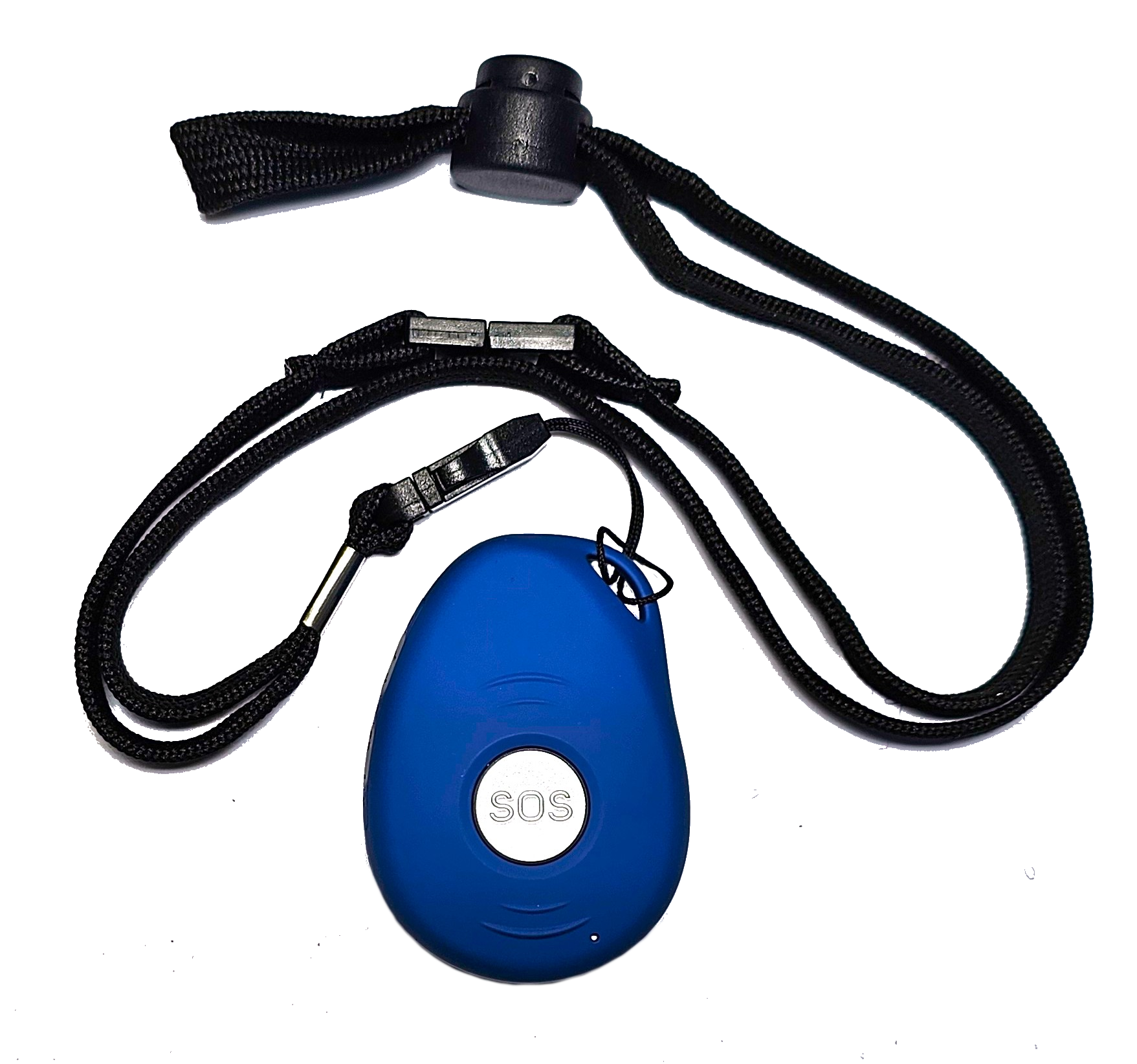
No single device is perfect for everyone. The best approach is to list your non-negotiable features first, then compare devices that meet those criteria. If possible, try the device on, check how it feels, and test the button. A button that is too stiff to press in an emergency is useless. A device that is too bulky to wear under clothing will be left at home. Take the time to find a device that fits your body and your life.
Ultimately, a wearable safety device is a tool for independence. It lets you continue living the way you want, knowing that help is a button press away. By focusing on the features that matter most to you, you can choose a device that provides real, practical safety without becoming a burden to wear or maintain.